Solar Panels for Manufacturers: the Capital Case, Modelled
We model the IRR from your half-hourly meter data before you commit a penny, then compare outright purchase, asset finance and PPA. MCS-certified. Fixed-price quote within 7 working days.
- MCS Certified
- NICEIC
- RECC
- TrustMark
- ISO 9001
ACCREDITED FOR UK COMMERCIAL WORK


In short
For most UK manufacturers, on-site solar offsets 30 to 60 percent of annual electricity (70 to 90 percent on a continuous 24/5 site), pays back in 5 to 7 years, and returns an IRR of 12 to 22 percent. We model the exact number from your half-hourly meter data before you commit a penny, and compare outright purchase, asset finance and a PPA against your current grid tariff. No phone tag: send us the data, get a fixed-price feasibility study in 7 working days.
Your production hours are your solar hours
Electricity is now the second or third largest controllable cost on most UK production sites, and a manufacturer's demand is unlike an office or a shop: it is daytime-weighted and process-driven. Compressors, motors, extraction, process heat, refrigeration and the production lines themselves pull hardest between roughly 07:00 and 18:00 — the very hours a rooftop array generates.
That single fact is what the whole economic case rests on. Because you use power when the sun is up, most of what you generate is consumed on site at your full import rate of around 22 to 32p, rather than being exported for a few pence. A single-shift site self-consumes 30 to 60 percent of annual demand; a continuous 24/5 or 24/7 site reaches 70 to 90 percent because the baseload never switches off. We size to 70 to 90 percent of peak daytime demand so generation stays on site — and we work it out from your data, not a rule of thumb.
- We model the IRR from your half-hourly meter data, not a rule of thumb, so you take a defensible number to the board.
- One comparison, three routes: outright purchase, asset finance or lease, and PPA, all modelled against your grid tariff.
- We submit the G99 grid-connection application on day one, so the longest item in the programme starts immediately.
- Independent of any panel or inverter brand, we specify for your roof and load, not our margin.
What the numbers look like on a typical site
Every manufacturer's load profile is different
The load profile drives the economics. Pick the closest match for typical sizing, cost and payback — each modelled from your own meter data.
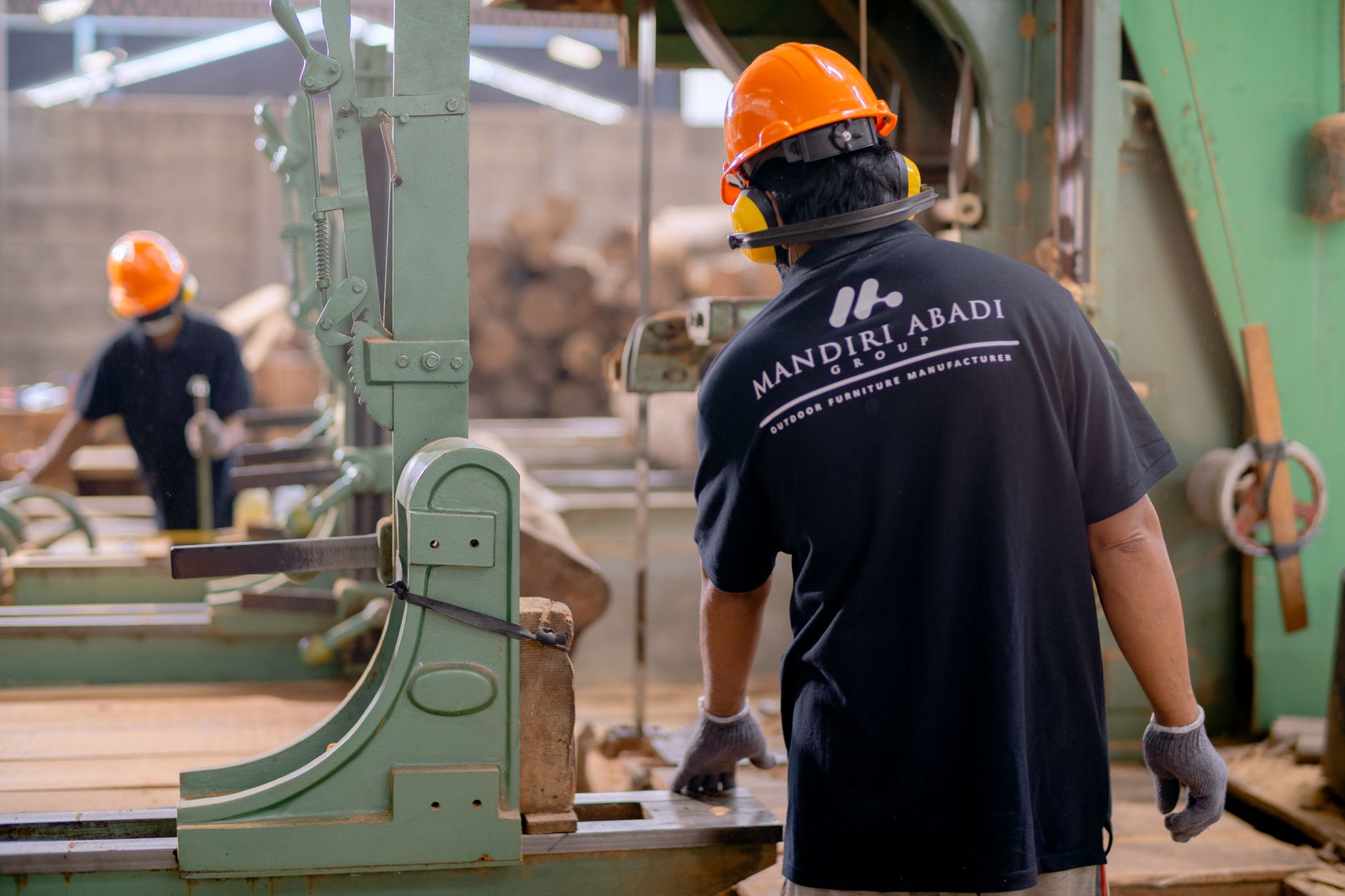
Food & Drink Manufacturers
400-1,200 kW. 5.5-year payback. £300,000-£980,000.

Metalworking, Engineering & Fabrication
150-600 kW. 6.5-year payback. £115,000-£540,000.

Plastics & Injection Moulding
300-1,000 kW. 5.5-year payback. £240,000-£850,000.
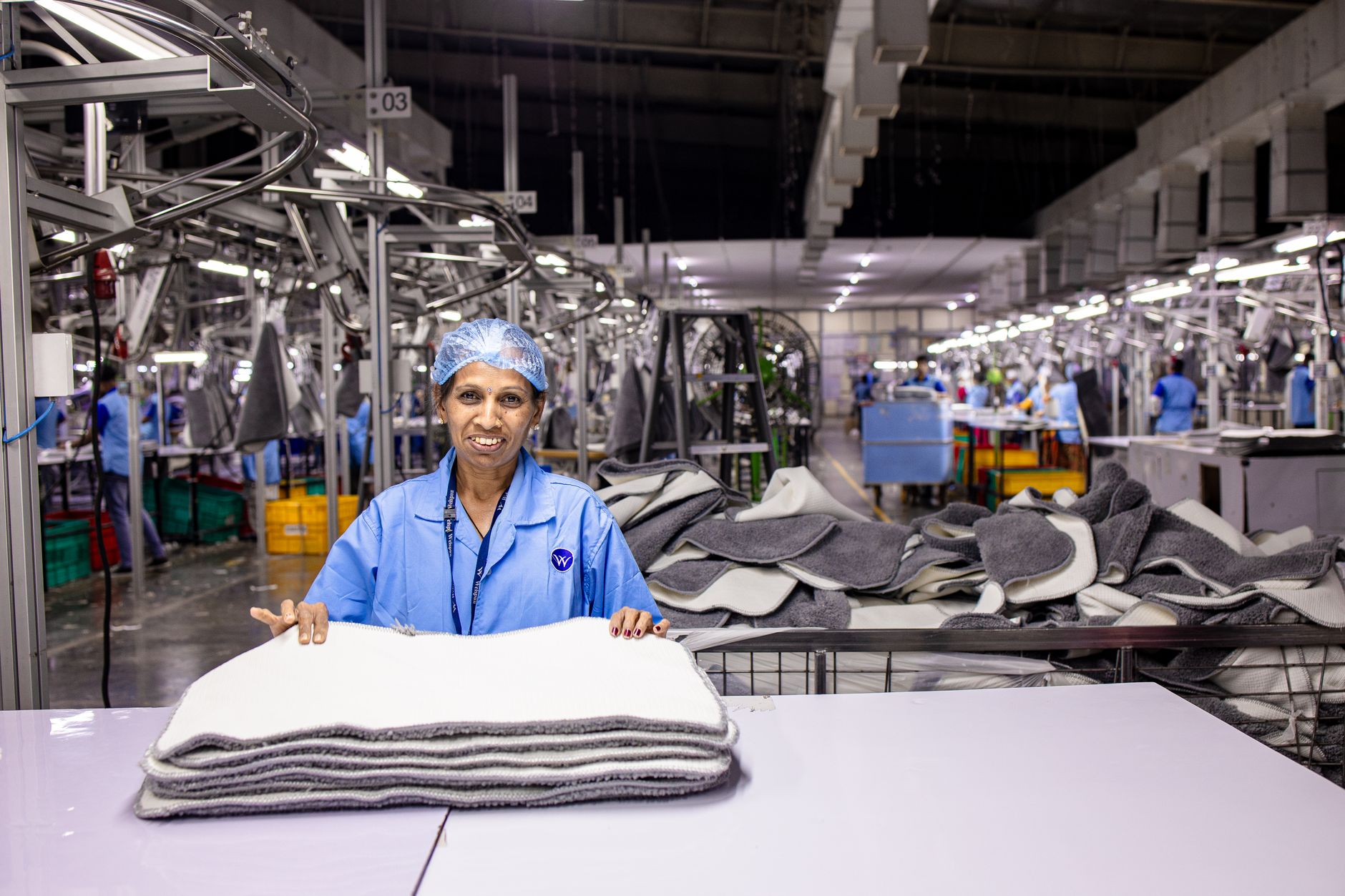
Textiles & Light Manufacturing
150-500 kW. 7.5-year payback. £115,000-£450,000.
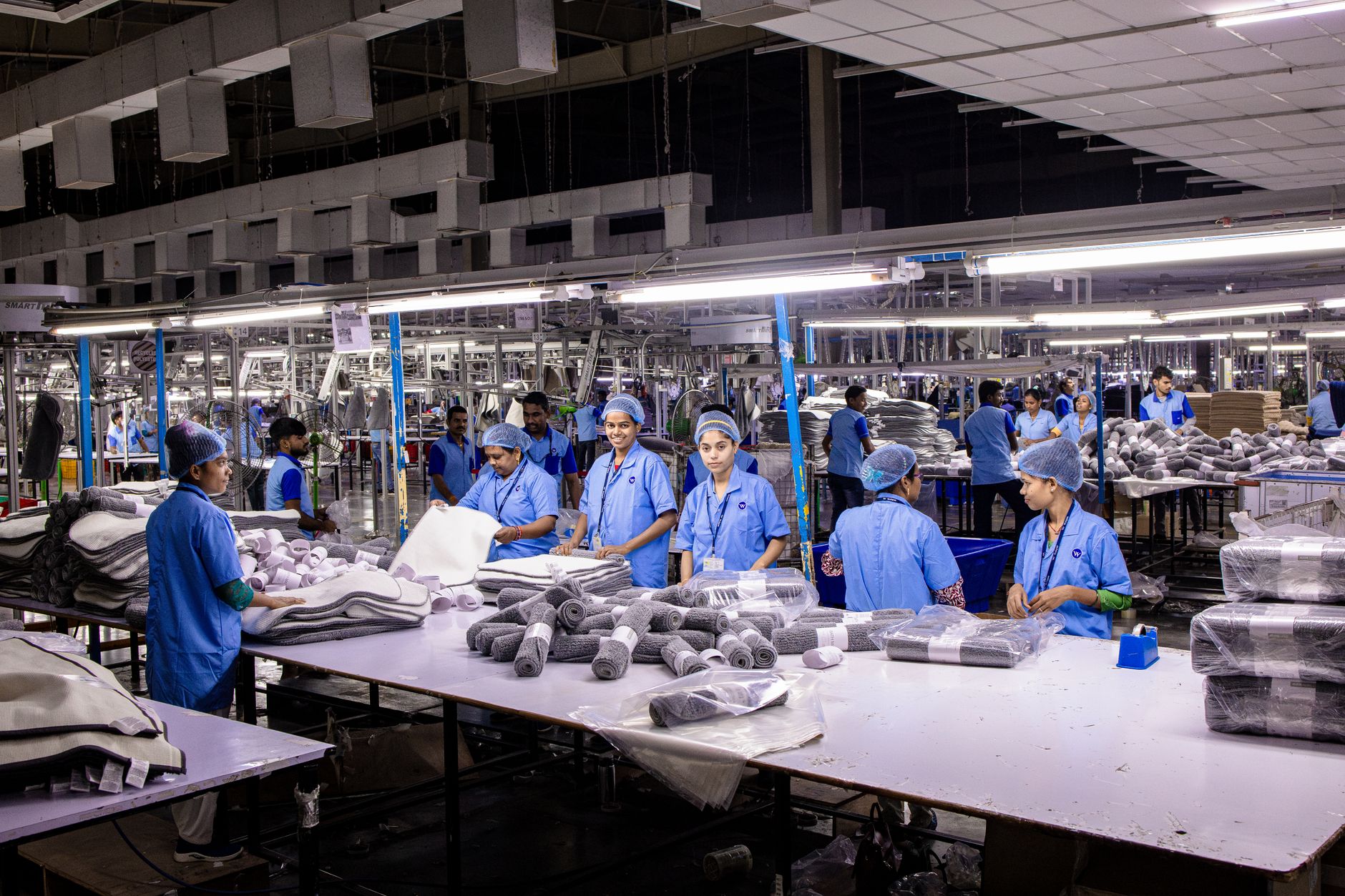
General Light Industrial & Assembly
150-500 kW. 6-year payback. £115,000-£450,000.
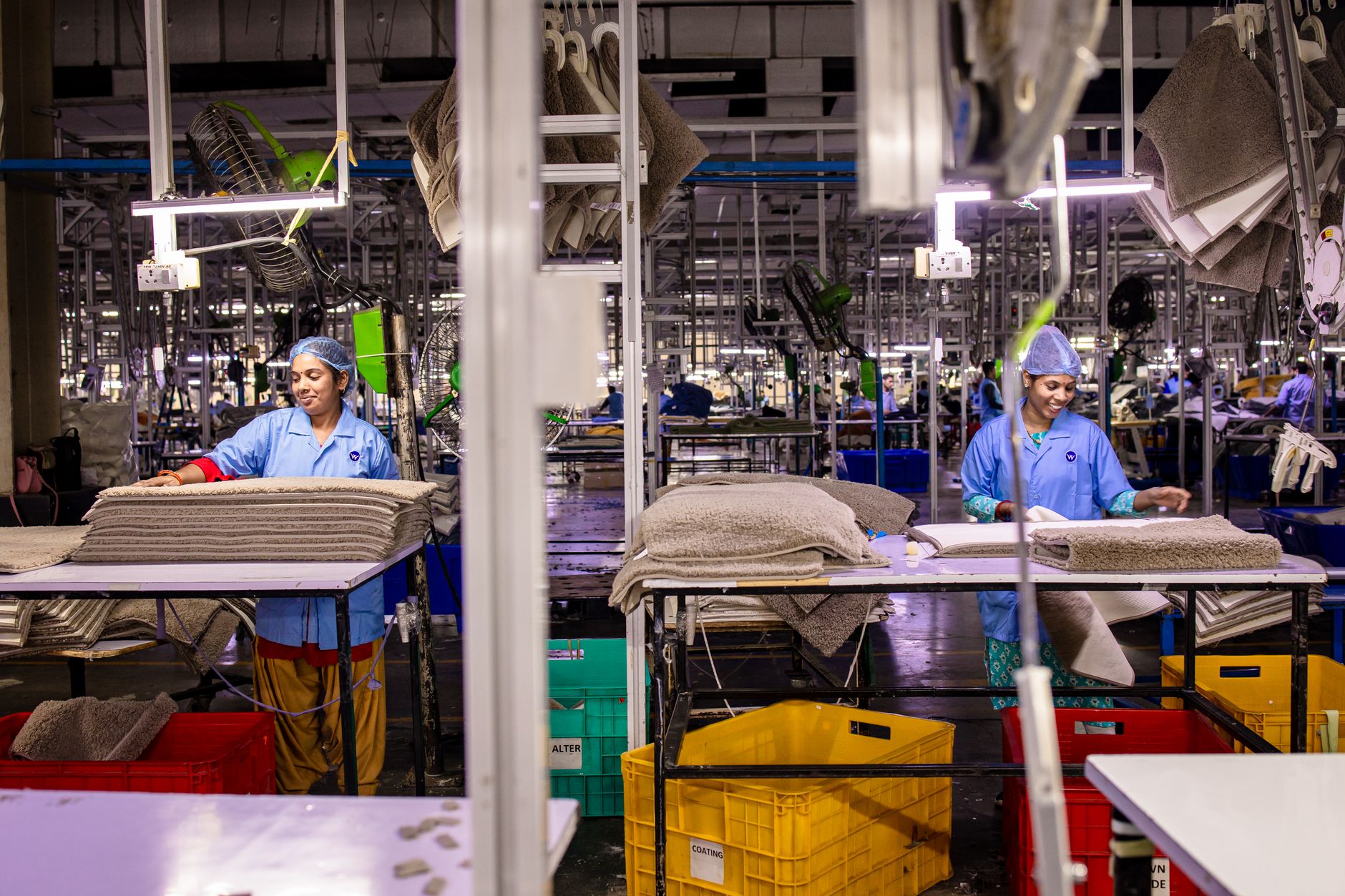
480 kW rooftop install for a Midlands food and drink manufacturer
A ready-meals and chilled-foods producer near Leicester running blast chillers, cold stores and ovens on a 24/5 pattern across a 3,900 square metre profiled-metal roof. Half-hourly data showed a flat 320 to 360 kW daytime baseload, and a major retailer had made renewable-energy disclosure a condition of the supply contract. The finance director needed a modelled IRR before capital approval.
From meter data to commissioning in 6-9 months
A clear, transparent process built around your production schedule — no high-pressure sales.
- 01Day 1-7
Free desk feasibility
Send us 12 months of half-hourly meter data and roof drawings. We model self-consumption, payback and IRR and return a sized, priced proposal.
- 02Week 2-4
On-site survey
Our structural and electrical engineers visit for a single day. Final design and fixed-price proposal follow.
- 03Month 2-6
G99 & permits
We submit the DNO grid-connection application on day one and handle planning and any grant paperwork.
- 04Month 6-9
Install & commission
On the roof for 2-10 weeks with no process shutdown; the only outage is a 4-8 hour grid connection in a planned window.
Own the array, or buy the power — three routes, one comparison
Owned outright, a solar array is an asset on your balance sheet generating at a fixed lifetime cost, not just another expense exposed to the wholesale market. But capital competes with your production line, so we model all three funding routes against your current grid tariff and let the board choose on merit.
Outright purchase vs asset finance vs PPA
| Outright purchase Best lifetime return | Asset finance / lease On balance sheet, spread 7-15 yr | PPA Zero capex, buy the power | |
|---|---|---|---|
| Upfront capital required | Full | Deposit only | None |
| Annual Investment Allowance (year one) | |||
| EBITDA-positive from year one | Sometimes | ||
| You own the asset | |||
| Off balance sheet | |||
| Day-one saving vs grid | After payback | ||
| Best total lifetime return |
The details a generalist installer prices out
A manufacturer's array is only as good as the engineering and paperwork behind it. We handle the G99 grid-connection application to your Distribution Network Operator (required above 17 kW per phase; the study alone runs ~65 working days, so we submit on day one), the mandatory roof structural survey (most pre-2000 industrial roofs need sign-off before ballast or rail loading, and asbestos-cement roofs must be replaced first), and SPF1981 v3 fire-safety design, now effectively an insurer requirement.
On funding: solar PV is special-rate plant and machinery, so it does not qualify for full expensing — the route is the Annual Investment Allowance, which expenses 100 percent of the first £1m of qualifying spend in year one. Energy-intensive sites may also hold a Climate Change Agreement, and on-site generation improves performance against its target while cutting Climate Change Levy and network charges on every self-consumed unit.
- G99 / DNO application submitted on day one
- MCS commercial certification for SEG eligibility
- CDM 2015 managed on any install above 30 person-days
- 10-year insurance-backed workmanship warranty
The questions we hear from operations and finance directors
Straight answers on the capital case, funding routes, self-consumption and grid connection.
How do we build the capital case for solar the board will approve?
We model it from your half-hourly meter data, not an estimate. You get simple payback, IRR (typically 12 to 22 percent for a UK manufacturer), NPV at your own discount rate, and LCOE (usually 4 to 7p/kWh against 22 to 32p grid retail), plus the full discounted-cash-flow model so your finance team can stress-test every assumption and drop it straight into your capital-appraisal process.
Should we buy outright, use asset finance, or sign a PPA?
We model all three against your current grid tariff. Outright purchase gives the best lifetime return and 100 percent Annual Investment Allowance relief in year one. Asset finance or a lease keeps the system on balance sheet, spreads the cost over 7 to 15 years, and is usually EBITDA-positive from year one. A PPA needs zero capital, sits off balance sheet, and delivers a day-one saving. Which one wins depends on your tax position and how the capital competes with your production line.
How much of our daytime demand can we actually self-consume?
A single-shift manufacturer typically self-consumes 30 to 60 percent of annual demand; a continuous 24/5 or 24/7 site reaches 70 to 90 percent because the baseload is flat. Self-consumption is the whole economic case: every kWh you use on site displaces grid electricity at your full import rate rather than being exported at a low tariff. We size to 70 to 90 percent of peak daytime demand to keep as much generation on site as possible.
Does solar qualify for full expensing or the Annual Investment Allowance?
The Annual Investment Allowance. Solar PV is special-rate plant and machinery, so it does not qualify for full expensing or the 40 percent first-year allowance. The AIA covers 100 percent of the first £1m of qualifying spend, giving a limited company up to roughly 25 percent effective tax relief in year one. Confirm the treatment of any spend above the £1m cap with your accountant.
Will a G99 grid-connection delay stall the whole project?
It is the longest single item, with DNO timescales of 6 to 18 months on constrained networks for installs above 100 kW, so we submit the G99 application on day one alongside the structural survey. Where export capacity will not arrive in time, we phase the design with battery storage so you get immediate self-consumption while the export agreement catches up.
How does on-site solar cut our Climate Change Levy and network charges?
Every kWh you generate and consume on site is a kWh you do not import, so it is not metered for the Climate Change Levy and does not attract DUoS or other network charges. On an energy-intensive site with a Climate Change Agreement, on-site generation also improves your performance against the efficiency target. Where a battery is justified, it can shift generation out of the DUoS red band to cut charges further.
Manufacturers we cover across the UK
Solar panels for manufacturers delivered UK-wide. Each area page carries local grid, council net-zero and industrial-estate detail.
London
Greater London. Greater London Authority 2030 net zero.
Birmingham
West Midlands. Birmingham City Council 2030 net zero.
Leeds
West Yorkshire. Leeds City Council 2030 net zero.
Sheffield
South Yorkshire. Sheffield City Council 2030 net zero.
Manchester
Greater Manchester. Manchester City Council 2038 net zero.
Bradford
West Yorkshire. Bradford Council 2038 net zero.
No pushy sales, no obligation
Every quote starts with a free desk feasibility from your meter data, with an itemised written proposal and a full discounted-cash-flow model your finance team can own and stress-test. Our workmanship is covered by a 10-year insurance-backed warranty. We will be honest if your site does not suit solar and tell you so before you spend anything — we would rather decline a project than damage our record.
Get your free manufacturer feasibility study
Responds within one working day
- 1. Free desk feasibility from your meter data and roof, no obligation.
- 2. Site survey and a fixed-price proposal, itemised in writing.
- 3. Install and aftercare by MCS-certified engineers.
- MCS Certified
- NICEIC
- RECC
- TrustMark